
❄️ January Woodland Work: Making Space for a Healthier Wood
January might feel like a quiet time in the woods, but behind the scenes it’s one of our most important months for conservation work — and Howes Wood has been a hive of activity.
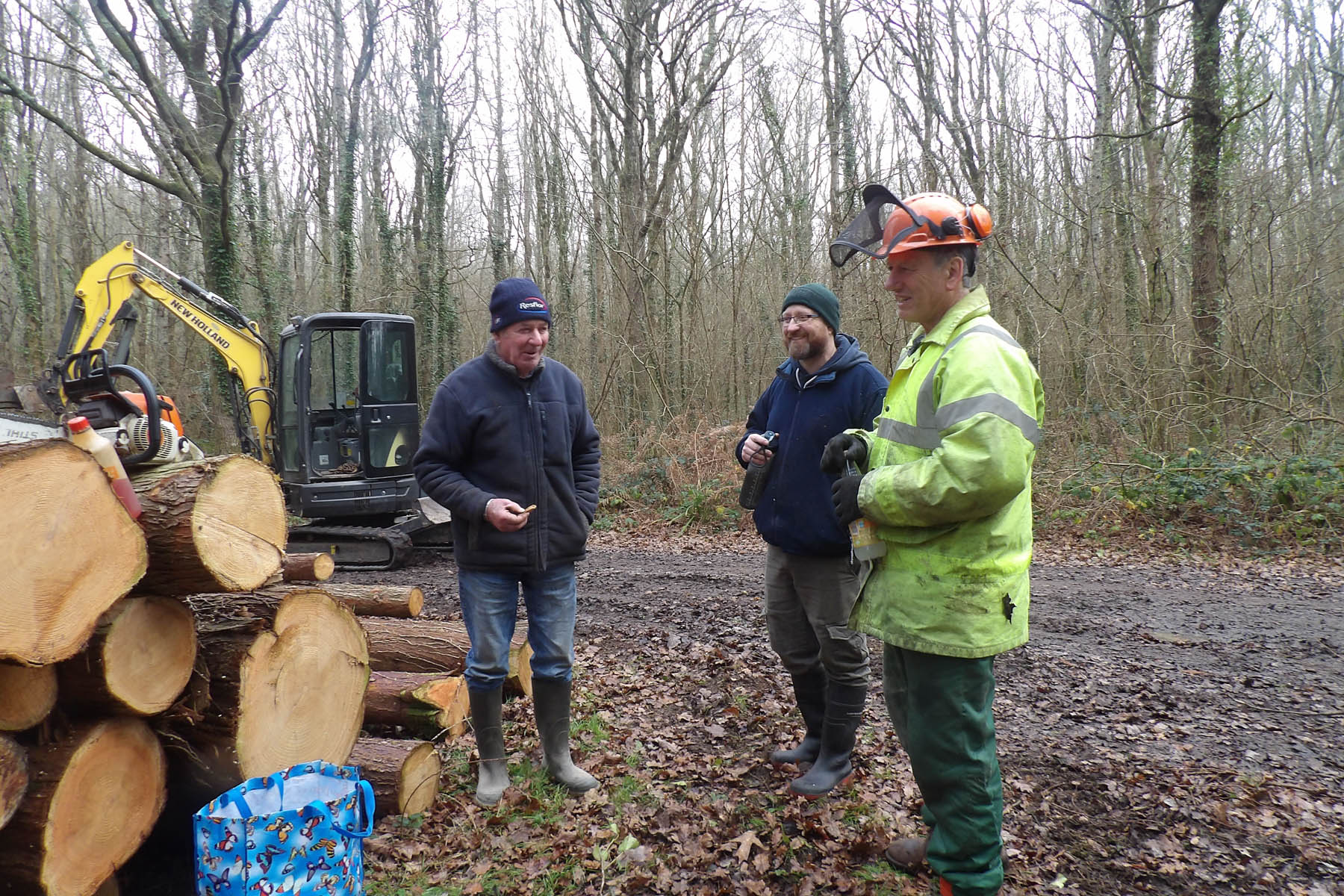
On a crisp winter workday, volunteers Rod, Richard and Steve were hard at work alongside Helen, pausing only briefly for a well-earned tea break before getting stuck back️ in again. These moments of teamwork and camaraderie are just as important as the physical work itself, and we’re incredibly grateful for the time, skills and energy our volunteers give so generously.
???? Creating Safe Access Through the Woodland
One of the main tasks this month has been cutting through dense undergrowth to create clear paths through the wood. These routes allow us to move safely through the site, access problem areas, and continue managing the woodland effectively throughout the year.
Thanks to a donated strimmer, we’ve been able to make great strides in tidying fallen and overgrown areas, opening up routes that had become difficult or or in some cases, impossible, to navigate.
???? Clearing Brash and Fallen Trees
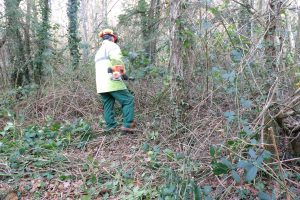
Using the digger, brash has been carefully moved so it can be run through the chipper, turning tangled branches into useful woodchip. This helps keep the site tidy, improves access, and allows us to reuse material sustainably within the woodland.
Removing fallen and dead wood also reduces hazards and prepares the site for the next stages of habitat improvement.
???? Why Some Trees Have to Come Down
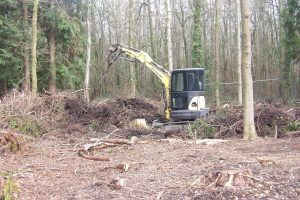
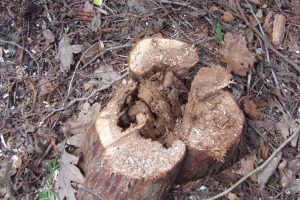
You will see that one of the photos shows a rotting tree stump, a stark reminder that not all trees in a woodland are healthy. In natural woodland, trees compete fiercely for light. Those that lose the battle eventually weaken and die, which is nature’s own way of thinning the forest.
However, in a managed woodland, especially one used by volunteers and wildlife alike, we sometimes need to speed up this natural process. Removing unhealthy, unstable trees helps make the woodland safer and gives the stronger, better-positioned trees the space they need to thrive.
This selective work supports a healthier, more resilient woodland, benefitting everything from insects and fungi to birds and, of course, our red squirrels.
???? Progress You Can See
Thanks to the dedication of our volunteers and the generous donation of equipment, we are making real, visible progress:
-
Fallen and rotten trees are being cleared
-
Paths are opening up through previously dense areas
-
The woodland is becoming safer, healthier, and easier to manage
Winter work like this lays the foundations for everything that follows, from spring growth to squirrel breeding season and beyond.
If you’d like to support this vital work — or join us in the woods — every donation and every pair of helping hands makes a difference. ????
Become a Volunteer – Isle of Wight Red Squirrel Trust
Donate Here – Isle of Wight Red Squirrel Trust
Register to Give As You Live Here – Isle of Wight Red Squirrel Trust